.png)
Maximize Inheritance Protection: Strategies to Safeguard Family Wealth
Maximize Inheritance Protection: Strategies to Safeguard Family Wealth


Top Strategies for Inheritance Protection: Safeguard Your Family Assets
Want to ensure your family’s assets are protected for future generations? Inheritance protection helps shield your inheritance from threats like lawsuits, creditors, and divorce. This article will teach you effective strategies to secure your wealth and distribute it according to your wishes.
Key Takeaways
- Inheritance protection trusts safeguard family assets from lawsuits, creditors, and divorce while allowing control over asset distribution.
- Different types of inheritance protection trusts, such as revocable living trusts, irrevocable trusts, and generation-skipping trusts, cater to diverse estate planning needs and provide unique benefits.
- Modern asset protection strategies, including family protection and heir safeguard trusts, help preserve wealth across generations while addressing potential legal threats and familial disputes.
Understanding Inheritance Protection Trusts
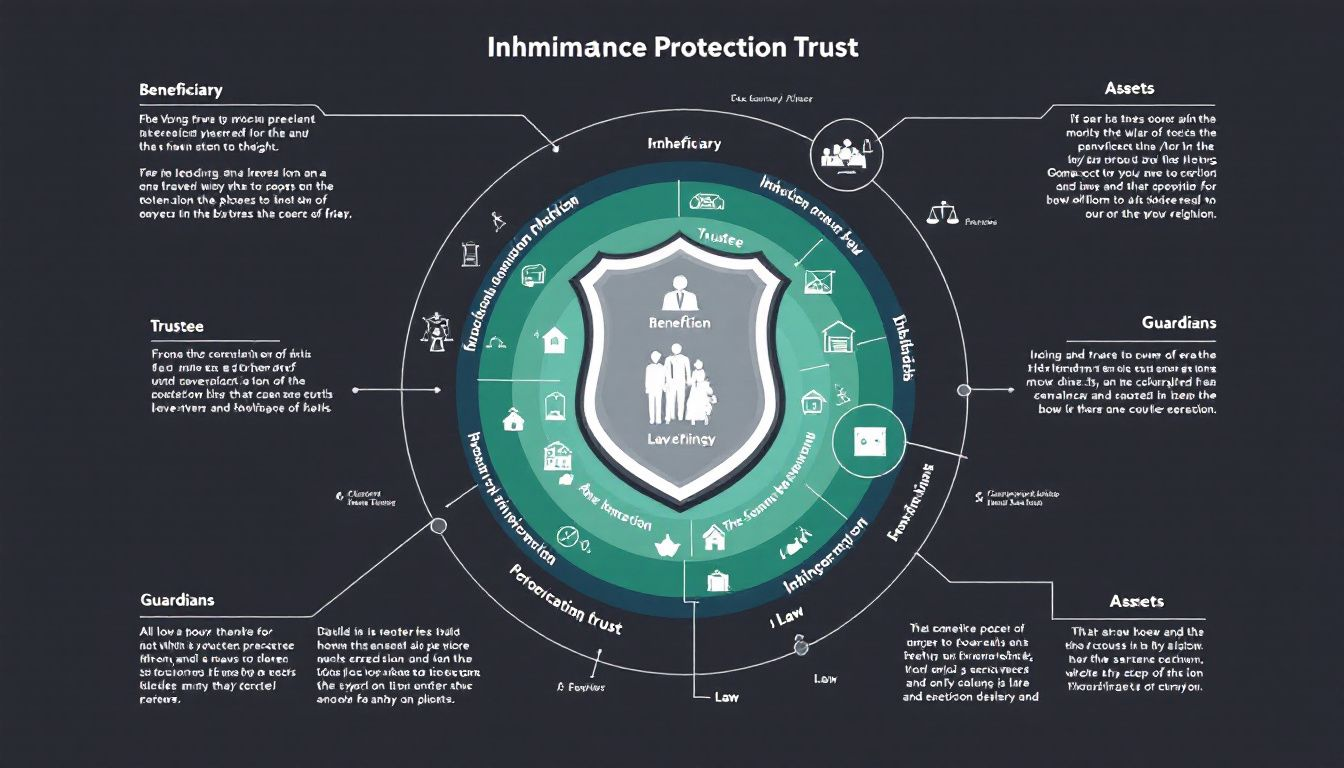
Inheritance protection trusts are legal arrangements designed to manage and protect assets for your heirs after your death. The primary purpose of these trusts is to safeguard inherited assets from threats such as lawsuits, creditors, and divorce, ensuring your loved ones’ financial future is secure. These trusts also provide control over how and when your assets are distributed, which can be particularly valuable in managing family dynamics and ensuring your wishes are honored. An inheritance protection trust can be an effective tool in this process.
Beyond asset protection, inheritance protection trusts offer several financial advantages. They can help reduce the tax burden on your estate, provide strong protection against creditors, and maintain privacy by keeping your estate out of public probate. Additionally, these trusts ensure that unused assets return to blood relatives, offering more security for your family.
Types of Inheritance Protection Trusts

There are several types of inheritance protection trusts, each designed to meet different needs and circumstances. Among the most common are revocable living trusts, irrevocable trusts, and generation-skipping trusts. Each type offers unique benefits and levels of control, making it essential to understand their differences to choose the right one for your estate planning needs.
Revocable Living Trust
A revocable living trust allows the grantor to retain full control over the trust’s assets during their lifetime. This flexibility means the grantor can modify the terms of the trust or even dissolve it entirely if their circumstances change. This adaptability is one of the primary reasons revocable living trusts are a popular choice for estate planning.
The ability to change beneficiaries and terms as life evolves provides significant peace of mind. Whether it’s adapting to new family dynamics or managing a modest inheritance, a revocable living trust offers an effective way to ensure your assets are managed according to your wishes while you are still alive. GoGo Estate's Standard Trust Plan and Blended Family Plan include revocable trusts.
Irrevocable Trust
In contrast, an irrevocable trust offers strong protection against creditors and cannot be easily altered or revoked once it has been established. This rigidity makes irrevocable trusts a powerful tool for safeguarding assets from potential legal threats and financial claims.
Once an irrevocable trust is set up, the grantor relinquishes control over the assets, ensuring that they are protected from creditors and reducing the taxable estate. This type of trust is particularly beneficial for those looking to secure their assets for future generations while minimizing estate taxes.
Generation-Skipping Trust
Generation-skipping trusts are designed to transfer wealth directly to grandchildren, bypassing the immediate next generation to minimize estate taxes. This strategy not only helps preserve family wealth but also provides significant tax advantages.
These trusts transfer assets directly to grandchildren, minimizing tax liabilities over successive generations. This makes them an excellent choice for families looking to maximize the benefits of asset transfers for future generations while maintaining control over their wealth.
Key Benefits of Using Inheritance Protection Trusts
One of the primary benefits of inheritance protection trusts is the privacy they offer. Assets held in these trusts do not go through the public probate process, ensuring that the details of your estate remain confidential. Additionally, irrevocable trusts are generally not subject to estate taxes, which can significantly reduce the tax burden on your heirs.
These trusts also allow for controlled and conditional asset distribution, which can be crucial in managing complex family dynamics. Inheritance protection trusts clearly outline distribution intentions, helping to avoid family disputes and ensuring assets are distributed as intended.
Specialized Trusts for Property and Residence
Specialized trusts for property and residence, such as Qualified Personal Residence Trusts (QPRTs) and vacation home trusts, offer unique benefits for managing and protecting family properties. These trusts are designed to handle specific types of assets, providing significant tax advantages and ensuring that properties remain within the family.
Qualified Personal Residence Trust (QPRT)
A Qualified Personal Residence Trust (QPRT) allows the settlor to retain the right to live in their primary residence or vacation home for a specified period while transferring it into an irrevocable trust. This arrangement helps reduce the taxable value of an estate, providing significant tax benefits.
If the grantor lives to the end of the trust term, the value of the property, including appreciation, will pass to the trust beneficiaries without being included in the grantor’s taxable estate. This makes QPRTs an effective tool for managing family residences and minimizing estate taxes.
Vacation Home Trust
Vacation home trusts facilitate the ownership and usage of seasonal properties while offering protection against estate taxes. These trusts allow family members to continue using the property without triggering probate, ensuring it remains within the family.
Vacation home trusts protect property from estate taxes, preserving family assets and offering a structured way to manage seasonal properties. This makes them an ideal choice for families with cherished vacation homes looking to maintain their legacy.
Common Challenges with Inheritance Protection Trusts

Setting up and managing inheritance protection trusts can lead to legal complexities, often requiring professional guidance to navigate properly. These trusts incur ongoing costs, including administration fees and potential legal expenses, which can constitute legal advice over time.
Disputes among family members concerning asset distribution and trustee actions are also common challenges. Effective management and clear communication can help mitigate these issues, ensuring that the trust serves its intended purpose.
Tips for Effective Estate Planning
Regularly reviewing your estate plan is essential to adapt to changes in family dynamics and financial situations. Open and honest discussions with family members about your estate plans can help prevent misunderstandings and conflicts. Consulting an estate planning lawyer can also provide valuable guidance in this process.
Having essential legal documents like wills and trusts in place is crucial for outlining your wishes clearly. Additionally, gifting property such as a vacation home to children can minimize estate taxes, although this may trigger gift tax implications.
Summary
In summary, inheritance protection trusts provide a robust framework for safeguarding your family’s assets. From offering privacy and tax benefits to ensuring controlled asset distribution, these trusts play a crucial role in effective estate planning. By understanding the different types of trusts and their unique advantages, you can make informed decisions to protect your family’s financial future.
Frequently Asked Questions
What is an inheritance protection trust?
An inheritance protection trust is a legal arrangement designed to manage and safeguard assets intended for heirs following the grantor's death. This trust helps ensure that the beneficiaries receive their inheritance while minimizing the potential for mismanagement or loss of assets.
What is the difference between a revocable and an irrevocable trust?
The key difference between a revocable and an irrevocable trust lies in the grantor's control; a revocable trust can be modified or revoked during the grantor's lifetime, whereas an irrevocable trust offers stronger asset protection and cannot be easily changed. Thus, choosing between them depends on the desired level of control and protection of assets.
How do generation-skipping trusts benefit my grandchildren?
Generation-skipping trusts benefit your grandchildren by transferring wealth directly to them, thus avoiding repeated estate taxes and ensuring more financial resources for future generations.
What are the tax benefits of using a QPRT?
Utilizing a Qualified Personal Residence Trust (QPRT) can significantly reduce the taxable value of your estate by transferring your residence into an irrevocable trust, while allowing you to retain the right to live in it for a designated period. This strategy effectively minimizes potential estate taxes for your heirs.
How can I prevent family disputes over my inheritance trust?
To prevent family disputes over your inheritance trust, ensure clear communication, conduct regular reviews of the estate plan, and maintain essential legal documents. This proactive approach can foster understanding and minimize potential conflicts.
.png)
Sign-up to get interesting updates
.svg)


.svg)

.svg)